Physical Address
304 North Cardinal St.
Dorchester Center, MA 02124
Physical Address
304 North Cardinal St.
Dorchester Center, MA 02124

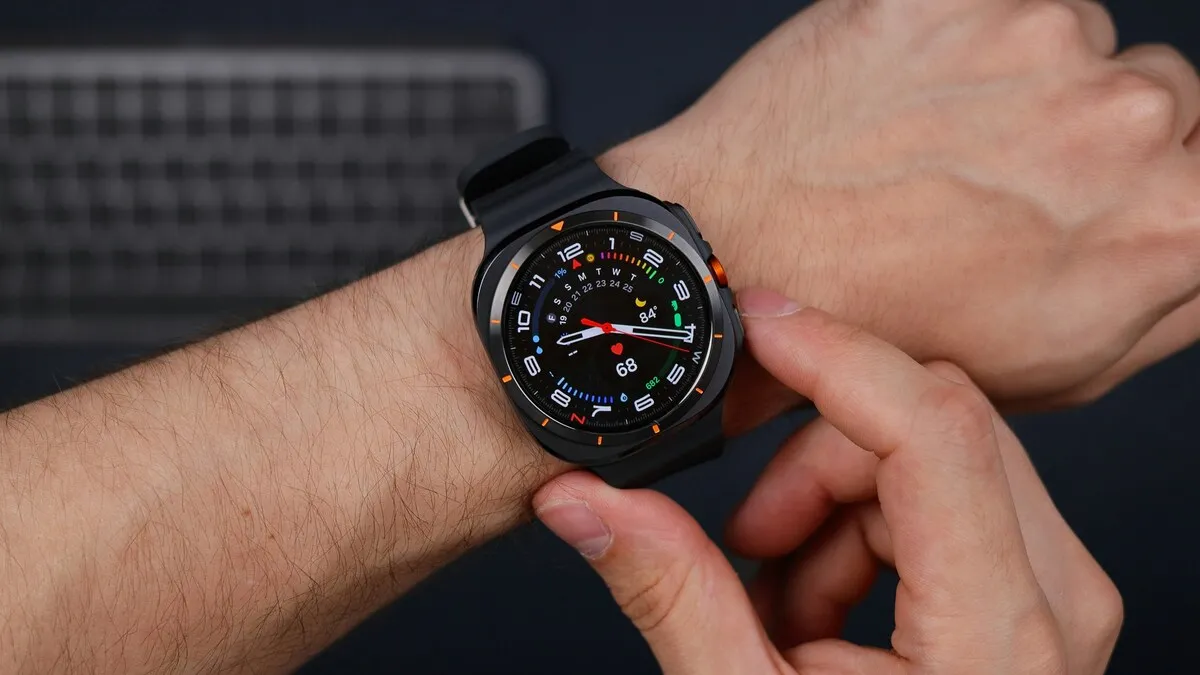
So, Samsung just dropped the Galaxy Watch 9, and there’s a lot to be excited about. We’re talking a brighter display, a fresh Snapdragon Wear Elite processor, bigger batteries, and some seriously smart health and AI features. Curious what all that actually means? Let’s dive in.
Samsung’s smartwatches have quietly become the heart of the Galaxy world. They’re not just gadgets—they’re the link that brings your phone, health stats, notifications, and daily habits right to your wrist. If you already use a Galaxy phone, adding a Galaxy Watch is probably the one upgrade that’ll change how you use your phone the most.
Think of this as your one-stop shop for all things Galaxy Watch, at least as far as SamScopes is concerned. I’ll walk you through the 2026 line-up, dig into what makes the Galaxy Watch 9 tick, show you how it stacks up against the tougher Watch Ultra2 and last year’s Watch8, and point you to deeper reviews and guides so you can figure out which watch fits you best—and how to actually get the most out of it.
The 2026 Galaxy Watch Line-Up
Samsung showed off its latest watches at Galaxy Unpacked in London on July 22, 2026, and you can buy them starting August 7. This year, you’ve got two models to choose from:
Here’s something worth knowing: there’s no Classic version this year. Samsung decided to skip the rotating-bezel Watch Classic that came with the Watch8. So if you were eyeing the Watch8 Classic, your 2026 choices are just the Watch 9 (which uses a touch bezel) or the Ultra2.
Both watches share Samsung’s biggest platform shift in years — they’re the first Galaxy Watches to run Wear OS 7 with One UI 9 Watch, and the first to move to Qualcomm’s Snapdragon Wear Elite chip, replacing the Exynos W1000 of the last two generations. For what One UI 9 brings to the wider Galaxy line, see our One UI 9 guide.
Galaxy Watch 9 Prices
Here’s how the Watch 9 pricing shakes out. If you want LTE (so you can leave your phone at home), that’ll cost a bit extra, and the bigger 44mm version is also a little pricier than the 40mm.
| 40mm Bluetooth/Wi-Fi | $379.99 | £329 | €379 | AED 1,399 |
| 44mm Bluetooth/Wi-Fi | $409.99 | £359 | €409 | AED 1,499 |
| 40mm LTE | $429.99 | £379 | €429 | AED 1,599 |
| 44mm LTE | $459.99 | £409 | €459 | AED 1,699 |
Samsung sets prices for each region, so don’t expect them to match up perfectly if you’re comparing currencies. In the US, every version is about $30 more than the Watch8 was at launch. If you’re hunting for trade-in deals or bundles, check out our Samsung deals hub.
What Is the Galaxy Watch 9?
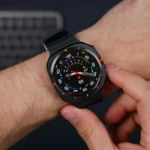
The Watch 9 is Samsung’s main smartwatch for 2026, and it’s really built to do three things: track your health and fitness, help you get stuff done, and tie you into the whole Galaxy ecosystem. It runs Wear OS 7 with One UI 9 Watch, has 2GB of RAM and 32GB of storage (about 20.1GB you can actually use), and comes in two sizes:
The design sticks with the Watch8’s round display, set in a cushion-shaped case with two physical buttons. Samsung also reworked the Sport Band, making it softer with an Air Pocket design for extra comfort. That’s actually a big deal, since you might end up wearing this thing for 12 to 24 hours straight—including overnight if you’re tracking your sleep.
Let’s clear up a common myth: some people say the Watch 9 is lighter, but Samsung’s own numbers don’t really back that up. The Watch8 40mm weighs 30.0g, while the Watch 9 40mm is actually 31.5g. Both 44mm models are 34g. So if anything, the Watch 9 40mm is a tiny bit heavier. The real comfort boost comes from the new band and better fit, not from shaving off weight.
Display
The Watch 9’s screen is a Super AMOLED panel tucked under sapphire crystal. On the 40mm, it’s a 1.34-inch display at 438 × 438 pixels; on the 44mm, it’s 1.47 inches at 480 × 480. Both can hit up to 3,000 nits of brightness, which is honestly super handy if you’re checking your watch mid-run or out in the sun with no free hand to block the glare.
If you’re comparing with older models, here’s the scoop: this is the same display as the Watch8—same resolution, same 3,000-nit peak brightness. No upgrade here. If you’ve seen talk of a 5,000-nit screen, that’s for the bigger Watch Ultra2, not the regular Watch 9. Go for the 44mm if you want a bigger screen, but don’t expect it to be any brighter.
Performance
The biggest hardware change is actually under the hood. The Watch 9 is the first Galaxy Watch to use Qualcomm’s Snapdragon Wear Elite chip (that’s a five-core CPU with an Adreno A622 GPU), replacing the Exynos chips from the last couple of years. Samsung says this means faster app launches, smoother navigation, and more responsive workout tracking. And honestly, on a watch, that kind of instant response matters way more than just having big numbers on a spec sheet.
The full connectivity set: Bluetooth 6.0, GPS, NFC, and optional LTE, with Wear OS 7 on top. Our Galaxy Watch review covers how the new chip performs in day-to-day use.
Battery Life
Battery is the Watch 9’s most noticeable upgrade, but only in one size. The 40mm jumps to 390mAh, a 20% increase over the Watch8’s 40mm cell, while the 44mm is 445mAh (a smaller step up from the Watch8’s 435mAh). Samsung rates both for up to 40 hours with Always-On Display off, or 30 hours with it on, though real figures depend on LTE, GPS, workouts and settings.
The bigger 40mm battery is the real standout, and it’s what makes all-day-plus-overnight wear practical. Nobody wants their watch dying in the middle of the night and losing sleep data. If endurance is your priority, the 40mm’s bigger battery gain is the most interesting upgrade this year. Check out our Galaxy Watch battery test for real results and our battery-saving tips to stretch it further.
Health and Fitness Tracking
Health is the main reason most people pick up a Galaxy Watch, and it’s where the Watch 9 really shines. An upgraded BioActive Sensor captures heart rate, heart-rate variability, respiratory rate, skin temperature, blood oxygen and sleep metrics, all feeding into Samsung Health and its five pillars: Activity, Mindfulness, Nutrition, Sleep and Vitals.
Key features:
One important heads-up: Samsung Health features vary by country, device and regulatory approval. Sleep Apnea detection and some cardiac tools aren’t available everywhere. Don’t assume every feature is active in your market, and treat all of it as general wellness info, not medical advice.
Our health features are explained, and fitness feature guides go deeper.
Gemini on Your Wrist
The Watch 9 brings Google’s Gemini assistant right to your wrist. Just raise your arm and talk to it to get information, set reminders, manage tasks, and interact with apps without ever reaching for your phone. This is one of the most sensible uses of AI on a watch: the screen is too small for typing complex requests, so voice does the heavy lifting.
Connectivity and Compatibility
The Watch 9 comes in Bluetooth/Wi-Fi and LTE versions. LTE lets the watch stay connected without your phone, which is handy for phone-free runs, the gym, calls, and notifications on the move. It’s only worth it if the recurring carrier cost makes sense for you. Bluetooth models are simpler and cheaper if you usually keep your phone nearby.
One hard compatibility rule: the Galaxy Watch 9 requires an Android phone (Android 13 or later) with Google Mobile Services. It does not work with iPhones — if you’re on iOS, this watch isn’t an option.
Our compatibility guide covers which phones and features are supported.
Durability and Storage
The Watch 9 is rated 5ATM + IP68 with MIL-STD-810H durability, so it’s good for everyday wear, showers, and workouts. Just remember, water resistance isn’t invincibility, so follow Samsung’s advice on chemicals, hot water, and impacts. Storage is a generous 32GB (about 20.1GB usable), leaving plenty of room for apps, offline music, and watch faces.
Galaxy Watch 9 vs Watch8: Should You Upgrade?
The real changes are the processor, the 40mm battery, and the health suite—not the look or the screen.
| Chip | Snapdragon Wear Elite | Exynos W1000 |
| Software | Wear OS 7 / One UI 9 Watch | Wear OS 6 / One UI Watch 8 |
| 40mm battery | 390mAh (+20%) | 325mAh |
| 44mm battery | 445mAh | 435mAh |
| Display | Super AMOLED, 3,000 nits | Super AMOLED, 3,000 nits (same) |
| Storage | 32GB | 32GB |
| Classic variant | None | Yes |
If you own a Watch8 and you’re happy with its battery and speed, this isn’t an urgent upgrade—the display and design are basically the same. The Watch 9 makes the most sense if you’re coming from a Watch7 or older, or if the new chip, bigger 40mm battery, and latest health features really catch your eye. Our Watch 9 vs Watch8 comparison has the full breakdown.
Galaxy Watch 9 vs Watch Ultra2: Which Is for You?
They’re made for different people. The Watch 9 is the mainstream, everyday smartwatch—lighter, more comfortable, and better value. The Watch Ultra2 is bigger, tougher, and built for demanding outdoor and endurance use, with a brighter 5,000-nit display and a larger battery.
For most people, the Watch 9 is the sensible pick. If you’re an endurance athlete, an outdoor adventurer, or you want the most rugged Galaxy Watch, the Ultra2 earns its premium.
Which Galaxy Watch 9 Size Should You Buy?
Go for the 40mm if you like a smaller, lighter, more discreet watch or have a slimmer wrist—and keep in mind it now gets the bigger battery upgrade this year.
Pick the 44mm if you want a larger display for easier reading and don’t mind a bit more presence on your wrist. Just remember, the 44mm’s battery gain over the Watch8 is small, and the display is the same resolution and brightness as the 40mm—just bigger.
For most people, it comes down to wrist size and screen preference, not any big difference in features.
Is the Galaxy Watch 9 Worth Buying?
If you use a Galaxy phone, then yes—it’s one of the most complete mainstream smartwatches of 2026. The new Snapdragon Wear Elite chip, the bigger 40mm battery, the bright sapphire display, the deep Samsung Health suite, and Gemini on your wrist all add up to a real step forward, even if the design and screen are carried over.
The real appeal isn’t any single spec—it’s how everything works together. Your phone does the heavy lifting, while the watch gives you quick, glanceable access to notifications, health data, and everyday actions without reaching for your pocket.
It makes the most sense for Galaxy phone owners, health and fitness trackers, runners and gym-goers, sleep-tracking fans, and anyone who wants Gemini on their wrist. It’s less exciting if you’re on iPhone (it won’t work at all) or you don’t care about health and notification features.
Frequently Asked Questions
When did the Galaxy Watch 9 release?
Announced on 22 July 2026 and on sale from 7 August 2026, alongside the Galaxy Watch Ultra2.
How much does the Galaxy Watch 9 cost?
US pricing starts at $379.99 (40mm Bluetooth/Wi-Fi) and rises to $459.99 for the 44mm LTE. LTE and the larger size each add a premium.
Does the Galaxy Watch 9 work with iPhone?
No. It requires an Android phone running Android 13 or later with Google Mobile Services. It is not compatible with iPhones.
Is the Galaxy Watch 9 a big upgrade over the Watch8?
In parts. The new Snapdragon Wear Elite chip, a 20% larger 40mm battery and expanded health features are real gains, but the display and design are carried over. Watch8 owners don’t need to rush.
Is there a Galaxy Watch 9 Classic?
No. Samsung didn’t make a Classic variant this year — the 2026 line is the Watch 9 and the Watch Ultra2 only.
How long does the Galaxy Watch 9 battery last?
Samsung rates it up to 40 hours with Always-On Display off, or 30 hours with it on. Real-world figures vary with LTE, GPS and workouts.
What health features does it have?
Heart rate, HRV, blood oxygen, skin temperature, Energy Score, Heart Health Score, Fitness Index, Daily Cardio Load, sleep tracking and AI Sleep Apnea detection — though availability varies by market and none of it is a substitute for medical advice.
The Bottom Line
The Galaxy Watch 9 is Samsung’s most complete mainstream smartwatch yet: new chip, bigger 40mm battery, the full Samsung Health suite, and Gemini on your wrist, all inside a familiar, comfy design. It’s not a dramatic reinvention, and the display is the same, but as the hub of a Galaxy setup, it’s an easy recommendation for Android users.
Pair it with a Galaxy phone, Galaxy Buds, and Samsung Health, and it stops being just a watch—it becomes another way into the Galaxy world.
SamScopes covers the whole wearable line in depth. Start with our Galaxy Watch review, the Watch vs Apple Watch comparison, our best Watch apps and best settings guides, or step across to the Galaxy Ring guide if you want health tracking without a screen.